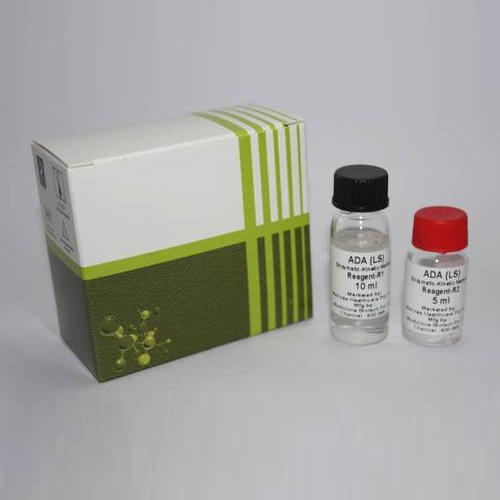
Adenosine Deaminase (ADA) (Pus)
4.6 (5 reviews)The ADA pus test measures adenosine deaminase levels in pus to support the diagnosis of tuberculosis and chronic inflammatory infections.
Test Details
Also Known As
ADA Pus Test, Adenosine Deaminase Pus Assay, ADA Abscess Test, ADA Test for Tubercular Abscess, Pus ADA Test
Sample Type
Pus / Abscess Material
Gender
Male, Female
Age Group
All Ages
Categories
Pathology
Test Code
Pus (1 ml)
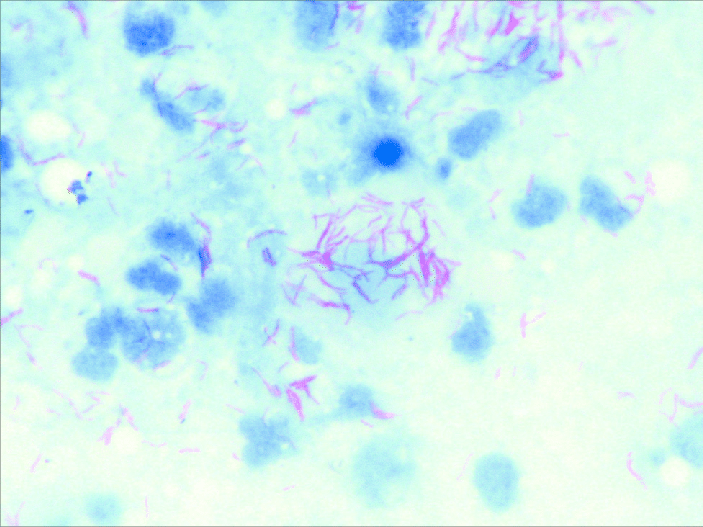
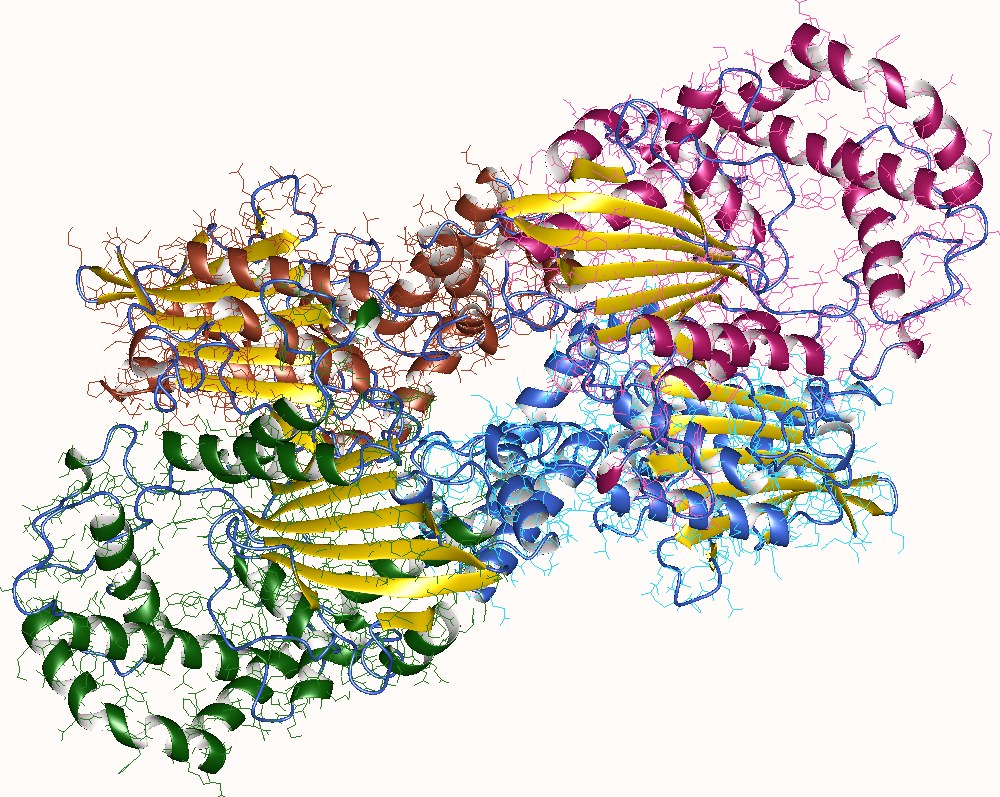
Adenosine Deaminase (ADA) is an enzyme involved in purine metabolism and reflects cell-mediated immune activity, particularly T-lymphocyte response. Estimation of ADA levels in pus samples is useful in evaluating chronic abscesses, especially when tuberculosis is suspected as the underlying cause.
Elevated ADA levels in pus strongly suggest tubercular abscesses or chronic granulomatous infections, helping differentiate them from acute pyogenic (bacterial) abscesses. The ADA pus test acts as a supportive diagnostic tool and is interpreted along with clinical findings, imaging, microbiological tests (AFB, GeneXpert), and histopathology for accurate diagnosis.
Recommended Tests
₹69.00 ₹200.00
₹69.00 ₹200.00
₹399.00 ₹800.00
₹299.00 ₹400.00
₹299.00 ₹600.00
₹399.00 ₹800.00
₹79.00 ₹200.00

₹1350.00 ₹2500.00
₹699.00 ₹1500.00