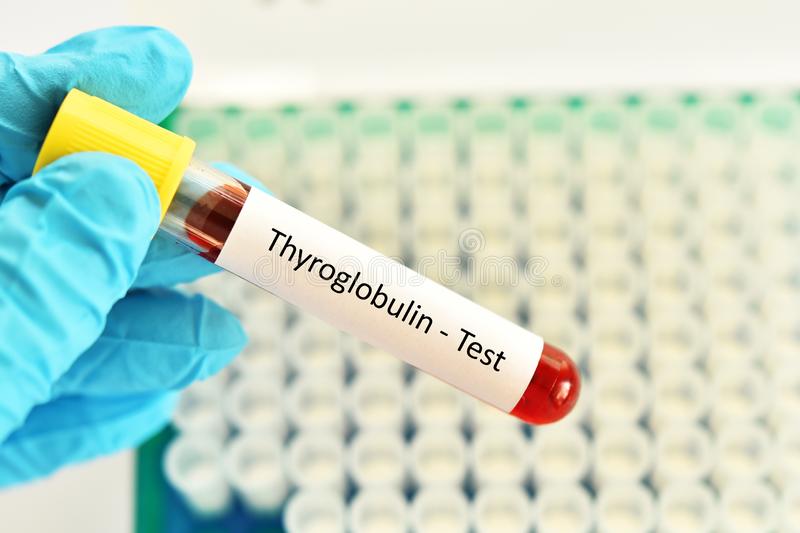
Culture and Sensitivity (Blood)
4.6 (5 reviews)The Blood Culture & Sensitivity test detects bacteria or fungi in blood and identifies the most effective antimicrobial treatment.
Test Details
Also Known As
Blood Culture Test, Blood Culture & Antibiotic Sensitivity, Blood C/S Test, Septicemia Blood Culture, Bloodstream Infection Culture
Sample Type
Blood
Gender
Male, Female
Age Group
All Ages
Categories
Pathology
Test Code
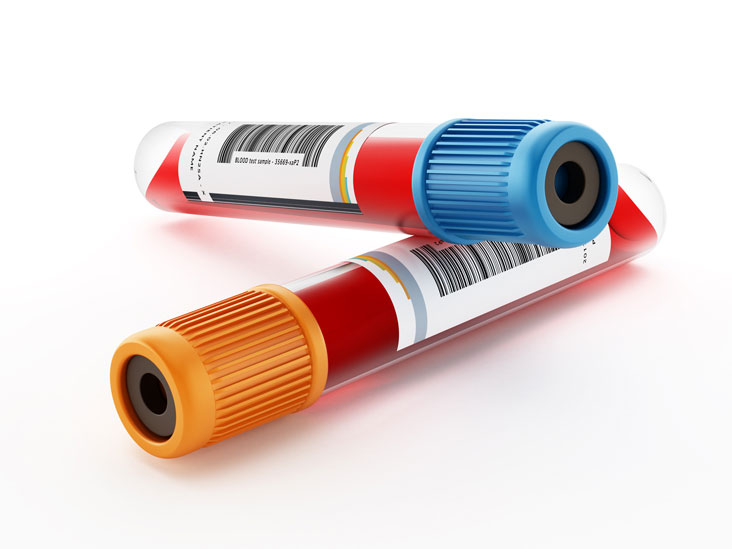
Whole blood (5.0 ml) in Culture Bottle
The sensitivity of blood cultures is largely related to the volume of the sample. For adults, one blood sampling generally represents up to 20 mL of blood used to inoculate two bottles (one aerobic bottle and one anaerobic bottle).
The blood culture test has no normal values, as the results are defined positively and negatively. If there is the presence of germs in the blood, the result will be positive, and if not, the reports will show negative results.
A blood culture is done to check if bacteria or fungi are infecting your blood. Usually, a blood infection occurs with other serious infections. These include infections in your lungs, kidneys, bowels, gallbladder, or heart valves. You may also get a blood infection if your immune system is weak.
Recommended Tests
₹69.00 ₹200.00
₹69.00 ₹200.00
₹399.00 ₹800.00
₹299.00 ₹400.00
₹299.00 ₹600.00
₹399.00 ₹800.00

₹79.00 ₹200.00

₹1350.00 ₹2500.00

₹699.00 ₹1500.00